It’s a rarity to see a new bookstore opening these days – especially an independent one – so when we heard that Bill & Ben Books was opening its fourth retail outpost in Brighton, we were keen to find out more. We spoke to co-founder Jake Pumphrey (above, left) about the independent booksellers’ latest ‘Last Bookshop’, and what makes this business model different from your regular high street book merchant.
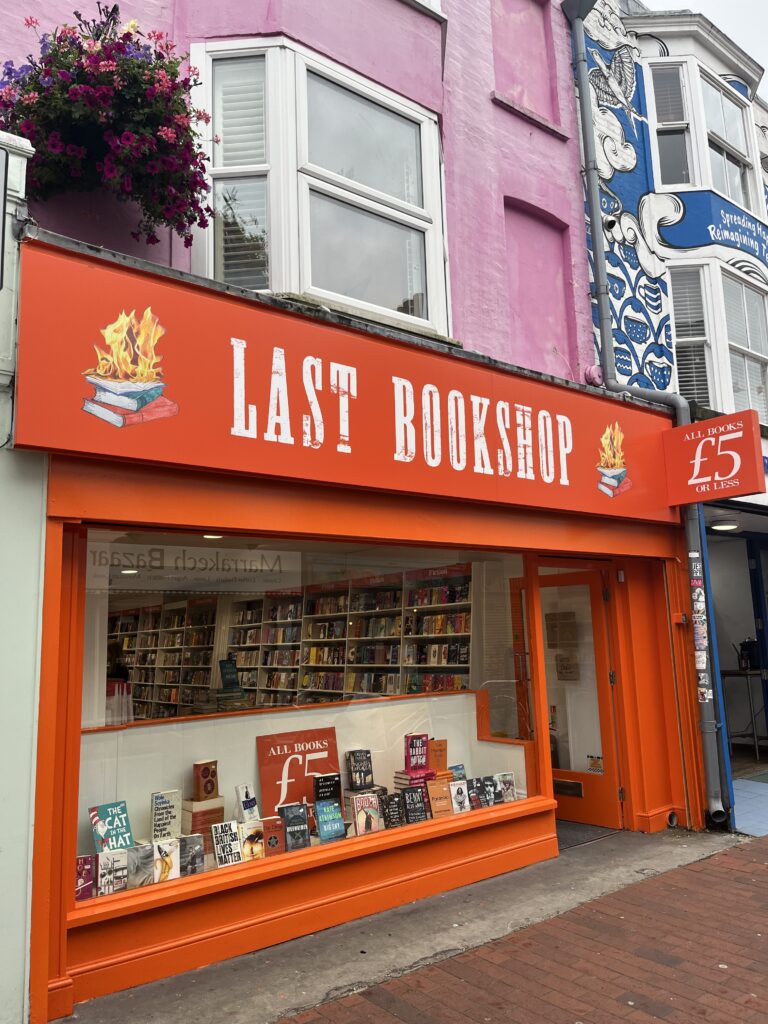
How would you describe The Last Bookshop?
A remainder bookshop where all books are £5 or less, with surprisingly good stock.
For those new to the term, what’s a ‘remainder’ store?
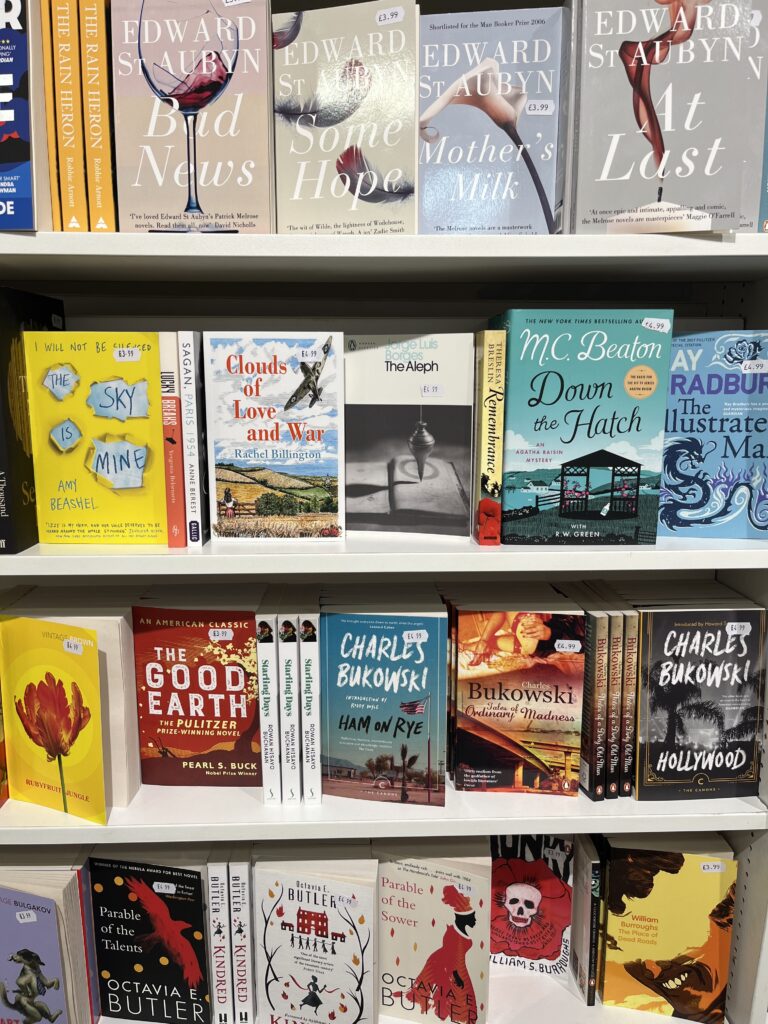
Remainders are those books which the publisher is left with after they have finished promoting and selling the title. In the old days, they waited a year or two before remaindering, but these days (with storage costs high) it happens more quickly. Publishing creates an enormous amount of waste, [so] our job is to recycle the bits of it which we believe can have a second life. Not all our shop stock is in this category – some are specially printed to be sold at a reduced price – but the majority are. Publishers used to pulp, but that has receded a bit when they can get some return from selling to us and others in the sector.
Could you share your approach to store design?
Bright and clear. Our shops are minimal because we are doing something different to a mainstream trade shop. Because we are selling books cheaply we need fast throughput (you need to sell a lot of books at £5 or less to make enough). We aren’t trying to be a traditional shop with staff recommendations, posh fittings and all the rest of the trappings. We are trying to be a place where pretty much anyone who likes reading stands a good chance of finding a book to read for not very much money. Most of our customers pop in and grab a book or two and are out the door again in short order.
Do you consider any other companies an inspiration or competition?
Not really, we’ve been doing it for many years. We are wholesalers in the remainder sector too. There aren’t many remainder bookshops anymore, certainly not in the towns we are in so far. The closest competition is probably Oxfam bookshops. In any event, we see other bookshops near us as being a positive thing. The more the better. Attracts the readers.
How important are physical stores to the future of book retail?
Vital.
What’s the meaning behind the ‘books on fire’ logo?
It was a kind of joke which stuck, the same as the name Last Bookshop. At the time, the Kindle was going to mean The End of The Book. Which of course proved to be wrong.
Any other interesting plans for the future?
Maybe another shop or two, but we don’t have ambitions to grow too big. We like the small business model [and] don’t want to get all corporate. Besides, the sorts of places we can flourish in are quite few and far between.