When you think of a brand spanning multiple categories, you might think of the big players like Heinz and Cadbury. Both have heritage, scale and strong brand recognition on their side, making brand extension easier. But what about younger and smaller brands? How have they successfully expanded? And what can start-ups learn from them?

To shed some light, let’s take a look at a cluster of FMCG brands (younger and smaller than Heinz and Cadbury) which have extended across multiple retail categories:

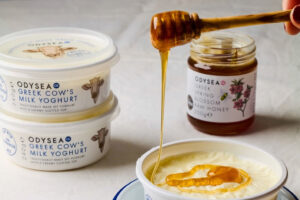
Odysea’s origins lie in selling premium Greek olives but it’s since expanded into Greek and Mediterranean dairy, oils, vinegars, store cupboard ingredients, honey, chilled dips etc.
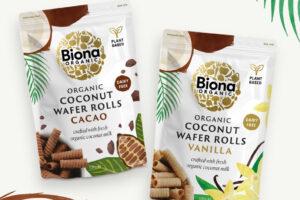
Biona was established in 1992 and its first product was granola. It’s since expanded to selling over 500 products spanning juices to snacks to convenience meals.
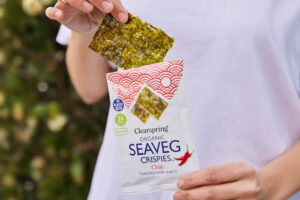
Clearspring started with Japanese miso soup but now sells over 300 organic products including tea, sauces, snacks, noodles, pulses etc.
Crosta & Mollica went into breadsticks but has since expanded into pizza, pasta, breads, frozen desserts – and it’s even tried coffee.

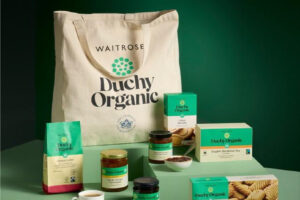
Duchy Organic launched with oaten biscuits but has since expanded into a plethora of other categories, establishing itself as Waitrose’s own-label organic brand.

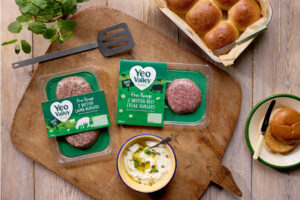
Yeo Valley started with yoghurt and whilst its primarily stuck to dairy, last year it extended into granola and beef burgers (joining earlier launches into soup and ice cream). And it’s just launched lamb burgers.

So, what – in anything – do these six brands have in common and what can we glean from their respective expansions? Well, they offer one or more of four things: organic certification, an authentic regional focus, premium cues or strong branding. See below.

Odysea

Premium + authentically Greek/Mediterranean + strong branding.

Biona

Premium + Organic.

Clearspring

Premium + Organic + authentically Japanese.

Crosta & Mollica

Premium + authentically Italian + strong branding.

Duchy Organic

Premium + organic + strong branding.

Yeo Valley

Organic + strong branding.

Each of these brands is either organic or regionally focused, complemented by premium cues (through retail price point or quality of ingredients or strong branding).

If a customer tries one of their products because regional authenticity or organic certification is important to them, and they like it, then strong branding will navigate them to more of the brand’s products in future. And / or premium cues provide reassurance and consistency that the next product they try will be just as good.

Brand extension isn’t right for every brand but for founders who plan to build a cross-category portfolio, we hope this provides useful food for thought.

More More More.

Read time 6 mins

Founder Q&A: Roger Myall, Cadence

Combining community, coffee, countryside and cycling, Cadence is an outdoor lifestyle brand which ha…

View post

Read time 6 mins

Founder Q&A: Deb Alma, The Poetry Pharmacy

The Poetry Pharmacy is an intriguing new retail concept, combining poetry dispensary with book retai…

View post

Read time 2 mins

Knowledge in a nutshell: Pride branding

The visual language of Pride events has evolved hugely since the first Pride marches in the US (1970…

View post